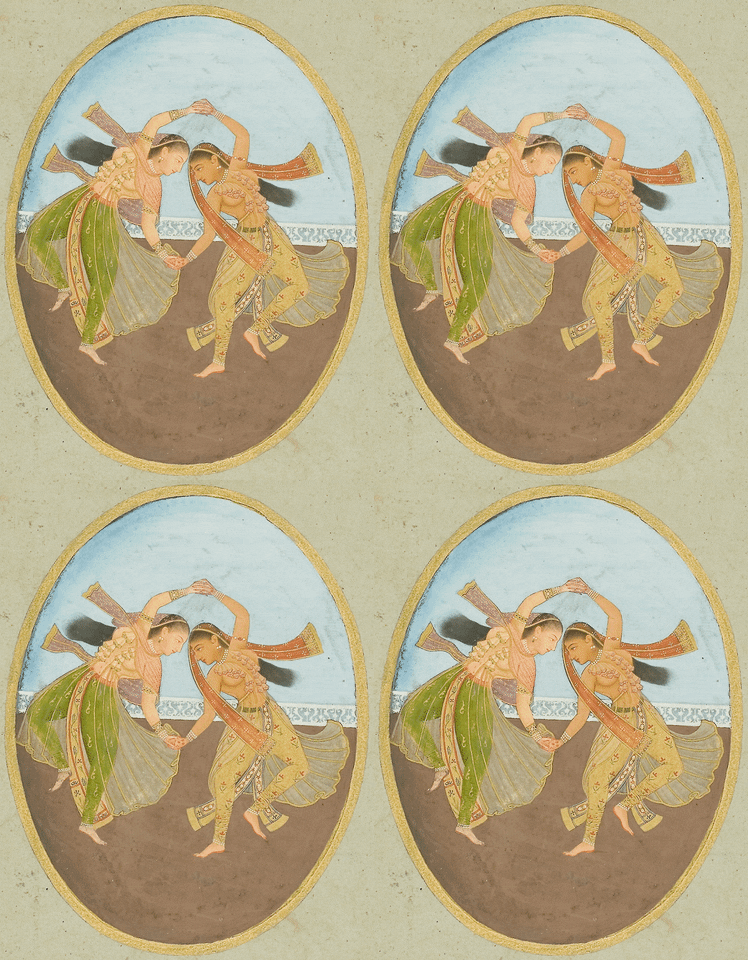
These dancers trained extensively, were expected to master at least three dance forms - the peacock, the kite, and the bearer dance.
At the age of 11, Arati Das found work as a domestic worker in the home of an Anglo-Indian family living in Calcutta's Bow Barrack neighbourhood. This meant a place to stay, and income to support her family.
But who was Arati, and where did she come from?
Arati was born in Narayanganj, near Dhaka (Bangladesh - then East Bengal), the youngest of four siblings, a few months before India's partition was announced.
Her family joined the millions fleeing across new borders - they arrived in Calcutta as refugees, reduced to poverty.
"To eke out a living for the entire family, my mother had started working as a cook, with also a part-time job at the glass factory occupying her day. Destitution, penury, and deprivation—this is what I could remember as a child of independent India" - Arati Das
During dinner parties at her employer's home, Arati observed Western dances - from rock and roll, to jazz, which sparked a fascination that would change her life.
At one such party, Vivian Hansen - a famous jazz singer from the Mocambo restaurant at Park Street - spotted her imitating some dance steps...
"Will you work as a dancer in a hotel?" he asked.
Arati's life was about to change.
The next day, central Calcutta's luxurious Firpo's, offered her the job of a cabaret dancer.
And that is how, Arati Das began her new life as 'Miss Shefali'.
Shefali was still a teenager when she joined Firpo's.
The European dancers who had long dominated Calcutta's nightclub circuit were beginning to leave, unable to renew their licenses in newly independent India.
Shefali learned the steps from them: Cha-Cha, Rumba, Can-Can. But her presence alone marked a shift.
She was the first cabaret dancer of colour to headline at a major club in the city.
Dancers at Firpo's followed a strict regimen. Mornings began with rehearsals - four hours of choreography, poise, and floor work.
They were schooled in etiquette, presence, and the subtle art of engaging with customers while keeping a clear boundary.
Shefali learned fast.
Within months, she was not just another dancer on the roster; she was the one audiences returned for.
Shefali trained in several Western dance styles like Hawaiian, Oriental, ballet-inflected poses—first by watching seasoned performers, and later under the guidance of a Russian ballerina.
The job reqirement included discipline, stamina, and the ability to command attention without asking for it.
Her body was thus, central to the act.
Her strength lay in her ability to shape tempo and space. She knew how to glide, how to wait, how to exit before being dismissed. She learned the musical cues by heart. She understood the unspoken rules of timing, scarcity, and presence—the logic by which a dancer becomes irreplaceable.
By the 1960s, Miss Shefali had become a fixture in Calcutta's nightlife.
From earning a salary of Rs. 700 in her teens at Firpo's, Shefali started to earn a combined monthly income of Rs 35,000 in the 1970s.
She performed at the Biswarupa theatre and the Oberoi Grand with signing privileges at restaurants and a room in the hotel itself.
But the visibility that came with that work was always ambivalent. She was admired, imitated, paid well—but never fully accepted.
The applause, no matter how loud, never fully erased the stigma.
She made brief appearances in Satyajit Ray's films - Pratidwandi and Seemabadha.
Despite her ability to dance, she was not fully accepted in mainstream entertainment.
Upon Pratidwandi's release, Ray was compelled to write a letter to appease the Nurses Union who were offended by Shefali playing the role of one.
Bengali society did not see Miss Shefali as a performer with a career, but as a transgressor of propriety - a vishkanya.
Shefali's foray into theatre offered her steady income, but her stage had changed. The audience was less exclusive, and the moral panic was sharper. She continued to be viewed as a woman too steeped in seduction to be contained within respectable scripts.
Even as the entertainment industry evolved, popular dance shows maintained a distance. But Shefali's skill was rarely in question –the trouble was that she had danced in the 'wrong kind of place'.
As the moral mood of the city shifted, cabaret became an emblem of apasanskriti, or "perverse culture."
What had been routine entertainment became a source of discomfort and didn't quite meet the standards of 'respectability' as defined by the politics of the time.
When restrictions followed, they didn't ban bars or alcohol. They banned dancing.
And so, Miss Shefali and others like her, faded away.
The women, once at the center of the city's night entertainment economy, were written out of its cultural memory, excluded from its definition of art, work and worth.
Their labour left no legacy.
In the later years of her life, Miss Shefali moved into a modest flat. When the time came to choose a nameplate, she didn't write "Miss Shefali."
Instead, she chose "Arati Das."
The name carried fewer headlines.But it also carried less stigma.


By Suanshu Khurana
In Ara, Bihar, a naach is nothing if it doesn’t have women dancers, lewd lyrics and aggressive men. Once the show is over, the Anaarkalis go back to their hardscrabble lives."Raja chhu ke jani chhodi bada mann karta",They knew how to string men along, with a wink and a thumka. They were the toast of the naach, celebrations of marriage, birthdays hosted by the relatively rich and mostly upper-caste men of rural Bihar, where alcohol flowed late into the night.
or
" Jobanwa jamp maare choli mein."

“She is the singer of these raunchy numbers, she is relatively poor and is low on police priority. As her songs are full of sexual undertones, people assume that she is inviting them to touch her.”Devi, 39, recalls being the object of such impertinence.
“The men begin to consider you their property and misbehave on the stage. I wasn’t even singing anything lewd, yet a drunk public figure got on the stage and tried to touch me,” says Devi, in a phone conversation from Mumbai.

“With the passage of time, raga-based singing went into the background. Poverty not only led to double-meaning songs but also prostitution,” says Das.But, as his film shows, for many women, the music is a way to earn some freedom.
“I couldn’t live in that atmosphere anymore. So I moved out. I wanted my children to be away from the ashleelta (vulgarity) that is now the hallmark of Bhojpuri industry. Gone are the days when people came to listen. Now they want to stare at our bodies. I have seen and done both sides of it. But no more."On our request, she sings one of her favourite numbers, Piyawa jaat bada police je behaliya mein, from the film Gaadi No 11. The autotune machines are far away in Delhi, where she now records, and the song in her unadorned voice reminds one of biraha ke geet (songs of separation).
“They are extremely delicate in their person, soft and regular in their features, with a form of perfect symmetry, and although dedicated from infancy to this profession, they in general preserve a decency and modesty in their demeanour, which is more likely to allure than the shameless effrontery of similar characters in other countries.”
- Oriental Memoirs (1813) by James Forbes

“In her breast is a vast ocean of poison. Round her comely waist dwell the furies of hell... Her blandishments are India’s ruin. Alas; her smile is India’s death.”- Keshub Chandra Sen

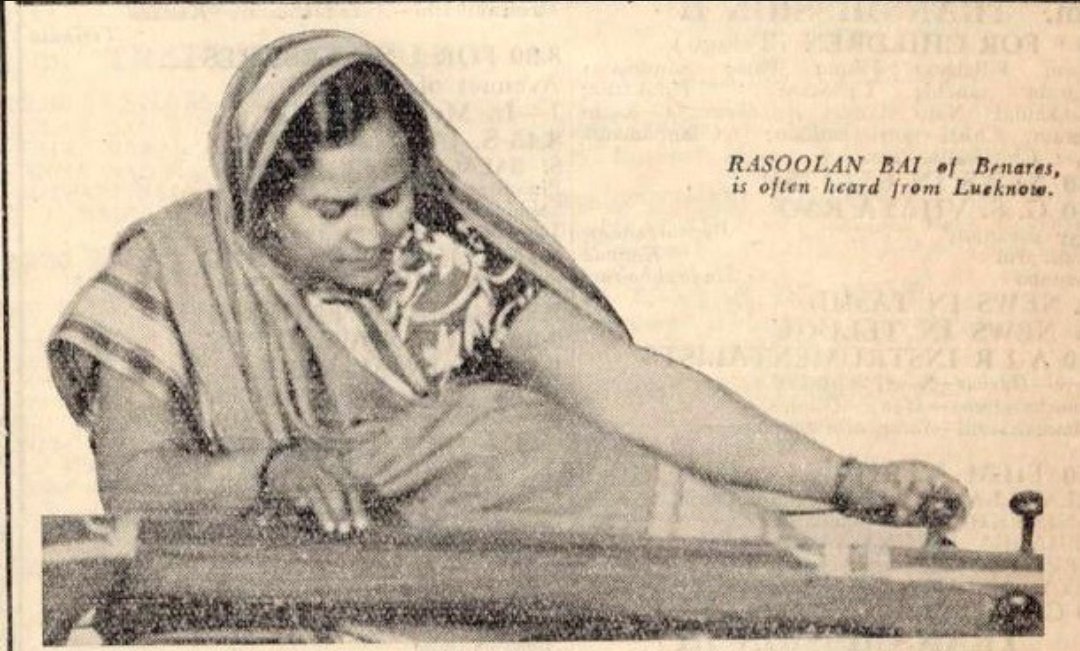
"All the others have become devis, I am the only bai left."
'Professional Dancers' were invited to perform at public events and private functions. They were always accompanied by musicians.
These dancers trained extensively, were expected to master at least three dance forms - the peacock, the kite, and the bearer dance.
'Devadasis' were ritually "married" to temple deities and were known for their beauty and artistic prowess.
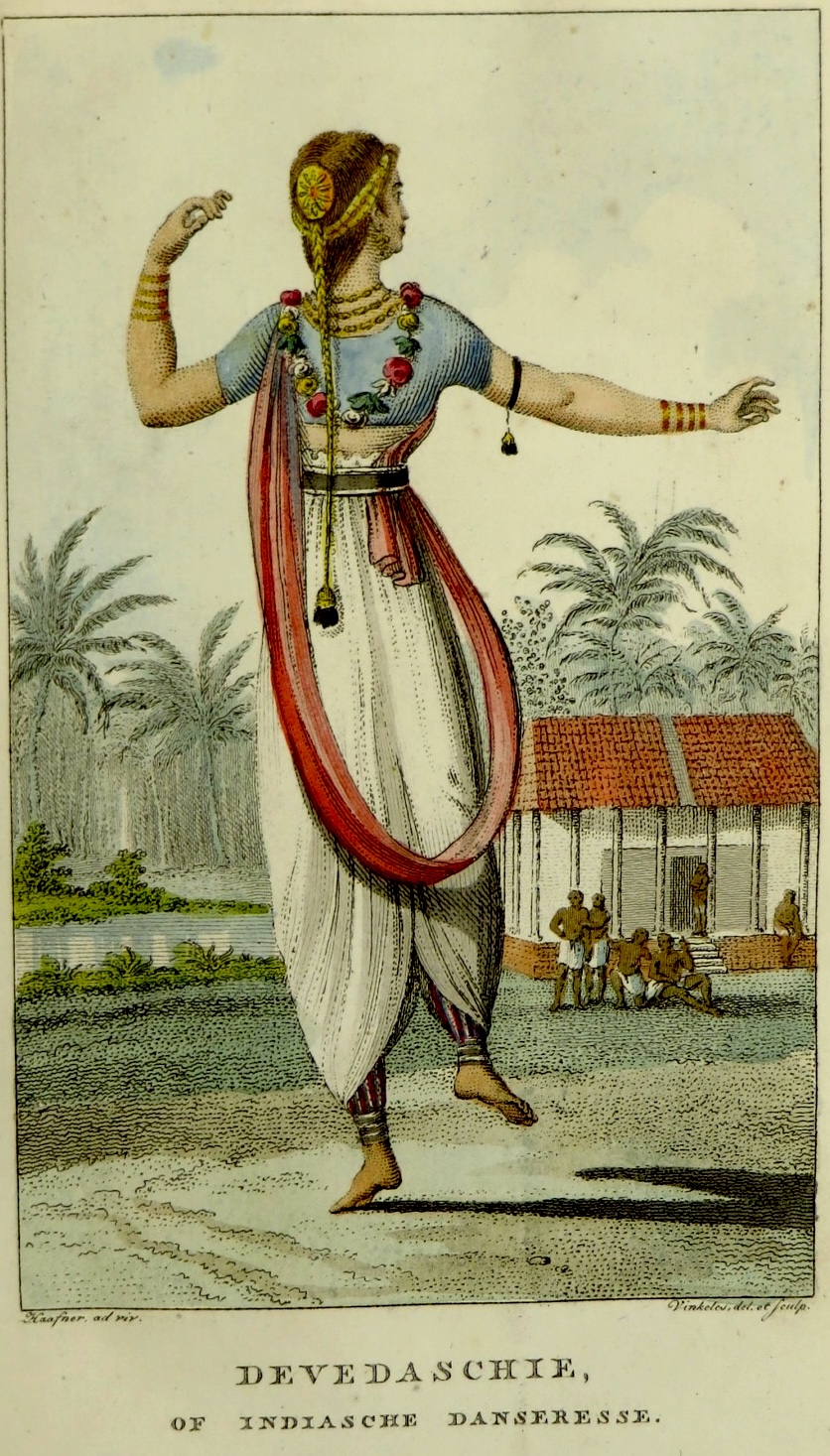
They escaped widowhood, and with it, social erasure. And so, the presence of a Devadasi was considered auspicious at weddings and other religious occasions.
Respected since ancient times, 'Courtesans' or 'Tawaifs' were accomplished in dance, poetry, music, and were seen as custodians of high culture.

They were writers, philanthropists, and facilitators of elite social life. They moved seamlessly through salons, courts, and gatherings, sometimes even advising on matters of State policy!
But after 1857, the British systematically dismantled the culture of royal courts.
Courtesans—symbols of power and resistance—
were recast as immoral, and folded into colonial narratives of “prostitution."
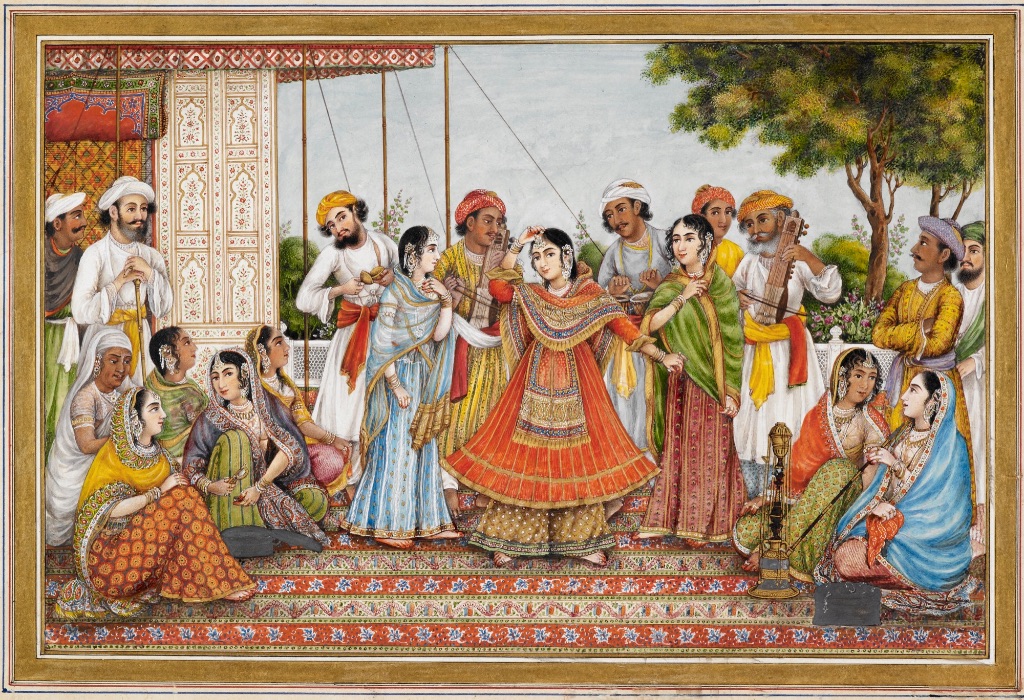
embodied art, devotion, and intellect

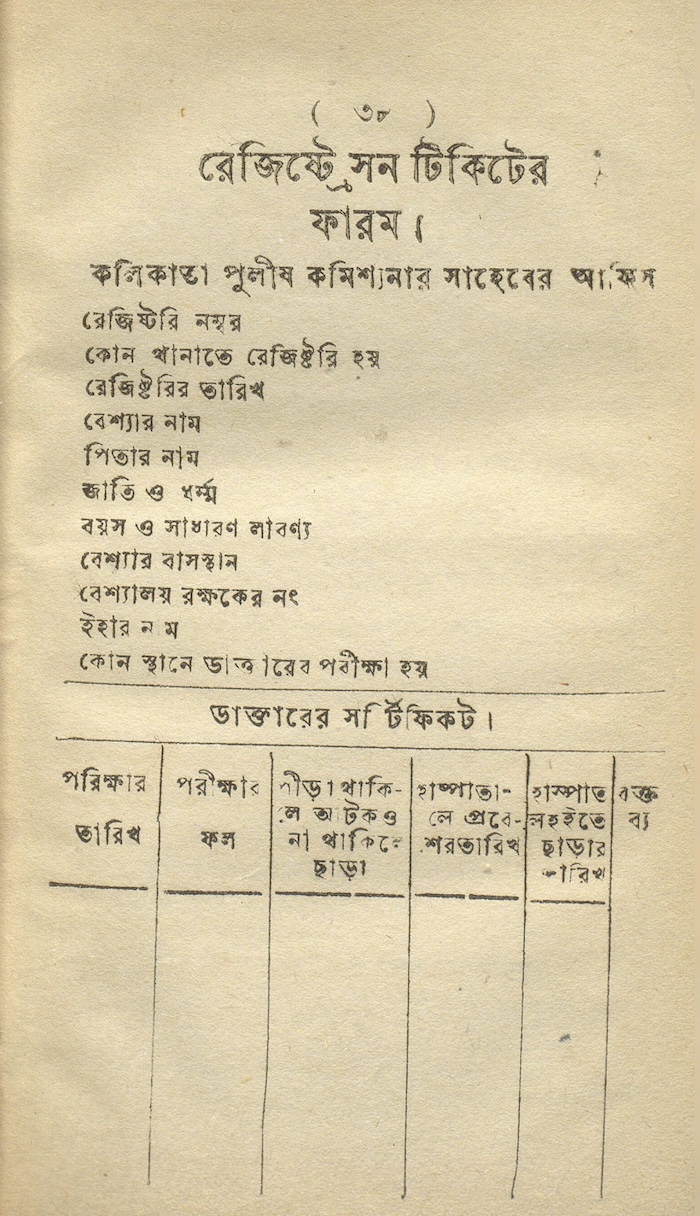
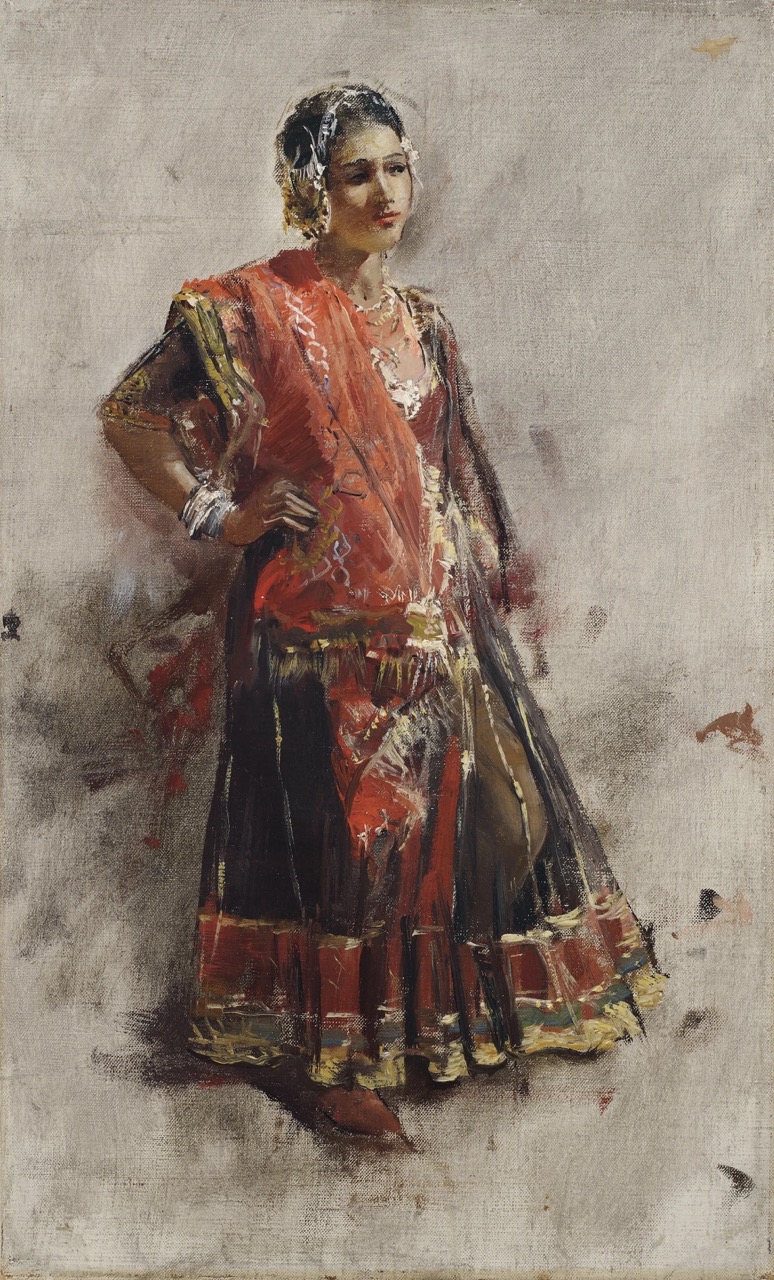
But under colonial rule, they were reduced to 'nautch girls', stripped of status, misunderstood by design, and recast as women merely known for...

In my illustrated mental mapping of Kamathipura, there was a deliberate intertwining of shrines, dargahs, & temples with brothels & sites of documented trafficking; collapsing the cartographic distance between supposed virtue & condemned vice.
What emerged was not just a spatial drawing, but an indictment.
Children trafficked for sex were living within earshot of temple bells & azaans. Divine soundscapes co-existed with silent suffering.
The drawing deliberately rejected the sanitised binaries of moral & immoral space, revealing instead a continuity; a shared air, a common wall, a gaze that blesses & brutalises without distinction. It illustrates how dominant morality, often state-aligned & caste-protected, sustains itself by criminalising survival, while sanctifying its own blindness.
No moral panic arose, not over proximity, not over responsibility, not over the state's failure to intervene. It wasn’t the subaltern’s silence that deafened us; it was dominant morality’s selective blindness.
The drawing is both a wound & a mirror, showing how moral authority operates not by preventing violence, but by rendering it invisible when inconvenient. In these overlaps, where ritual purity & structural violence coexist, lies the truth : the dominant morality is not merely blind, it is actively evasive.
It forces us to confront what planning documents omit : the collusion between the sacred & the state in maintaining a geography of hypocrisy. If the brothel is condemned, but the sacred beside it remains untouched by shame, we must ask : what kind of morality survives such adjacency?
What the drawing ultimately stages is not horror, but complicity.
The hegemonic gaze is not absent; it is everywhere - as a priest, a planner, or a policeman.
Each time the state speaks of virtue, someone is being erased, usually someone already on the edge. The “respectable” society moralises the existence of such places while simultaneously mimicking their function in every domestic setting.
Kamathipura remains a site of discomfort not because of what it contains, but because of what it reflects. And until we learn to look without flinching, without moral cloaks or legal filters, we will continue to build a nation upon the backs of women it refuses to see.
The brothel is a mirror, not an aberration. But we crack the mirror to preserve our illusions, perfecting erasure.
The objects in the mirror are closer than they appear.

“I pay ₹40 rent every month, but I’ve never received a receipt. Now they want to throw me out. Where will I go?”
“I’ve covered my roof with plastic sheets,” one elderly woman said.Rent control laws were meant to protect tenants. But in Budhwar Peth, they often make things worse by encouraging silence, secrecy, and deals done in the shadows.
“The floor can’t take weight. But if I complain, I’ll be asked to leave.”
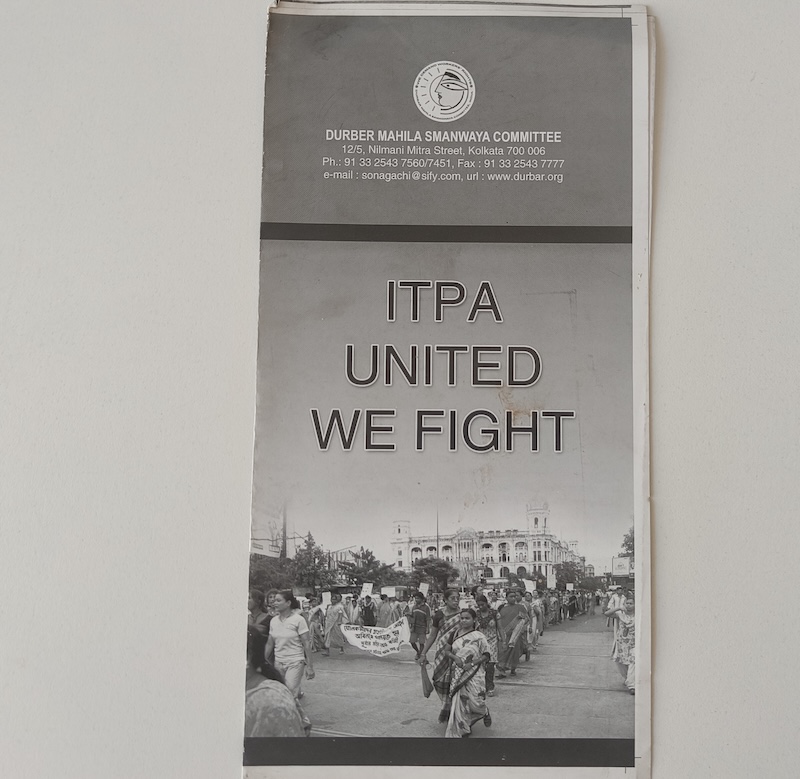
Sex workers began organizing not just to survive, but to live with dignity. They redefined themselves as workers, not victims, and built India's first large-scale sex worker-led organization.
Sex workers chose political action and negotiation over courtroom battles. They saw the law as a potential shield against violence—but not a reliable tool for transformation.
Facing existential threat, sex workers built alliances and successfully stopped the proposed law. Their voice was heard loud and clear in the halls of power.
Now equipped with experience and public support, sex workers are using the legal system to assert rights, not just defend them. Their demands for recognition as workers are stronger than ever.

Listen to a recitation of Namdeo Dhasal's "Mandakini Patil, A Young Prostitute: The Collage I Intend (c. 1972)":
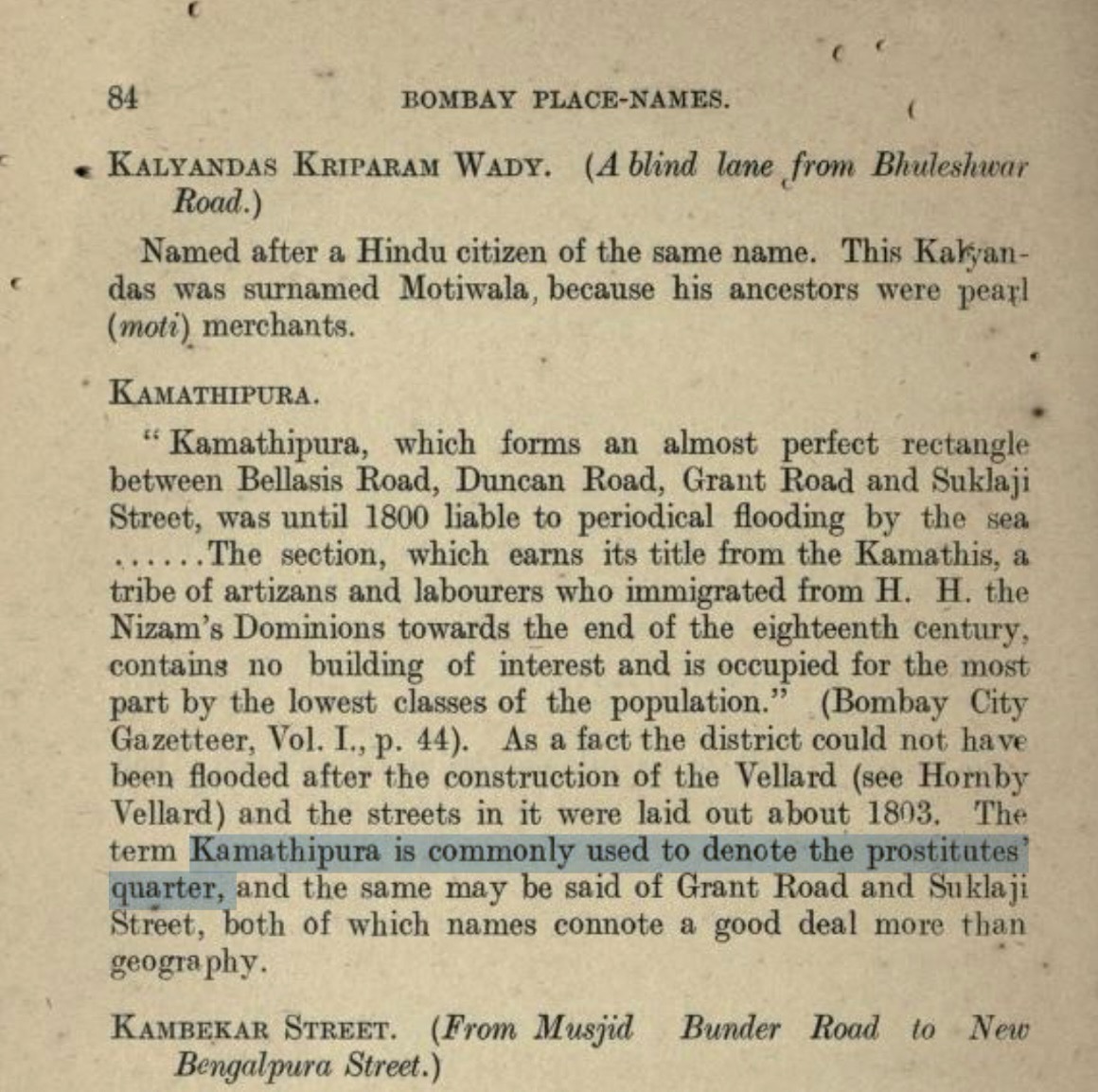
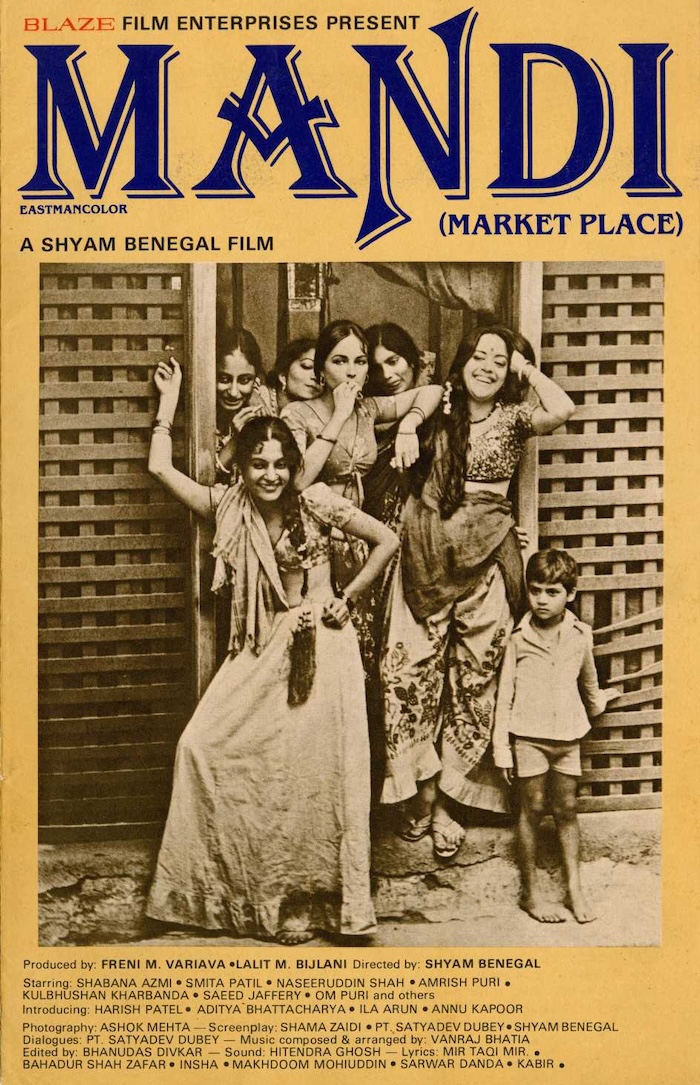

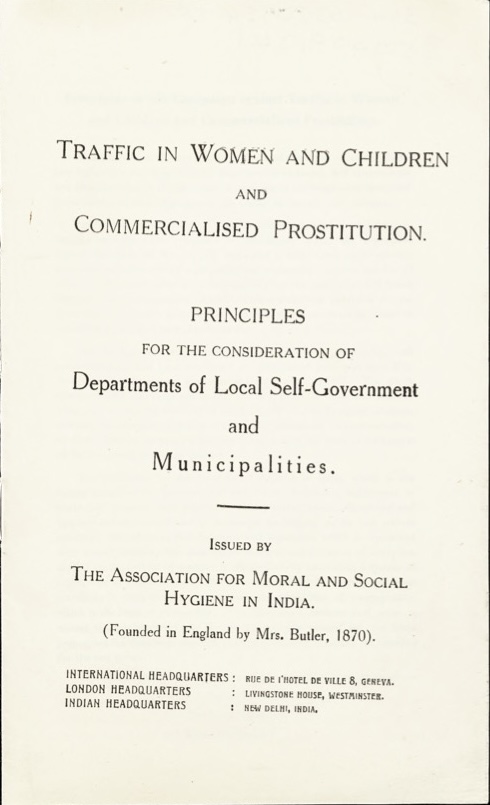
"In the tax ledgers from 1858-77…they were classed under singing and dancing girls, and were under the highest tax bracket, with the largest individual income of any in the city…they were also in lists of property and…the value of this part of this booty from war (spoils seized from ‘female apartments’) was estimated to be worth 4 million rupees"