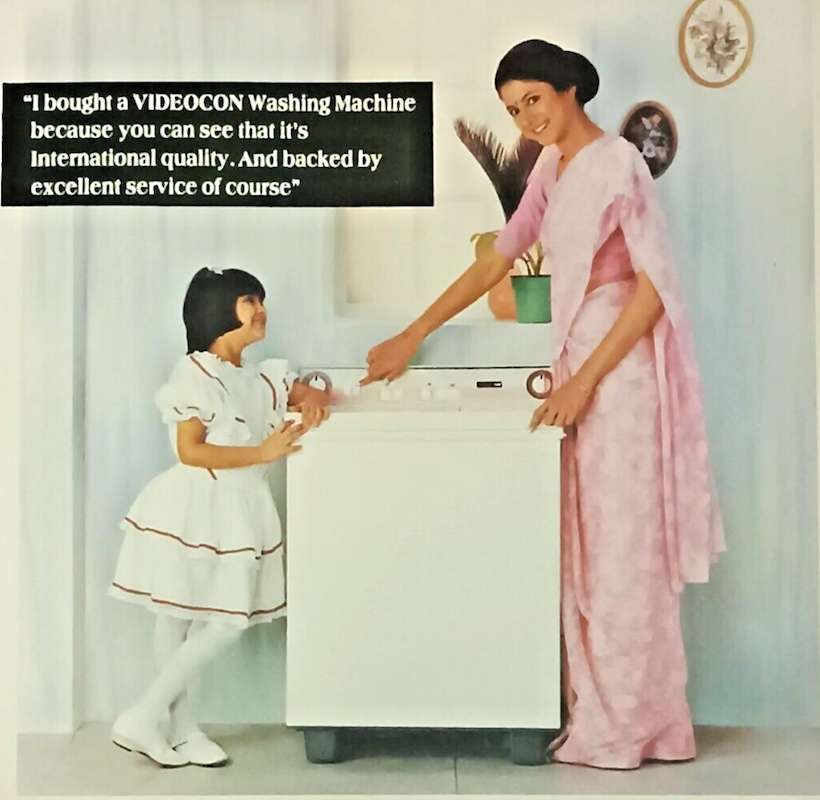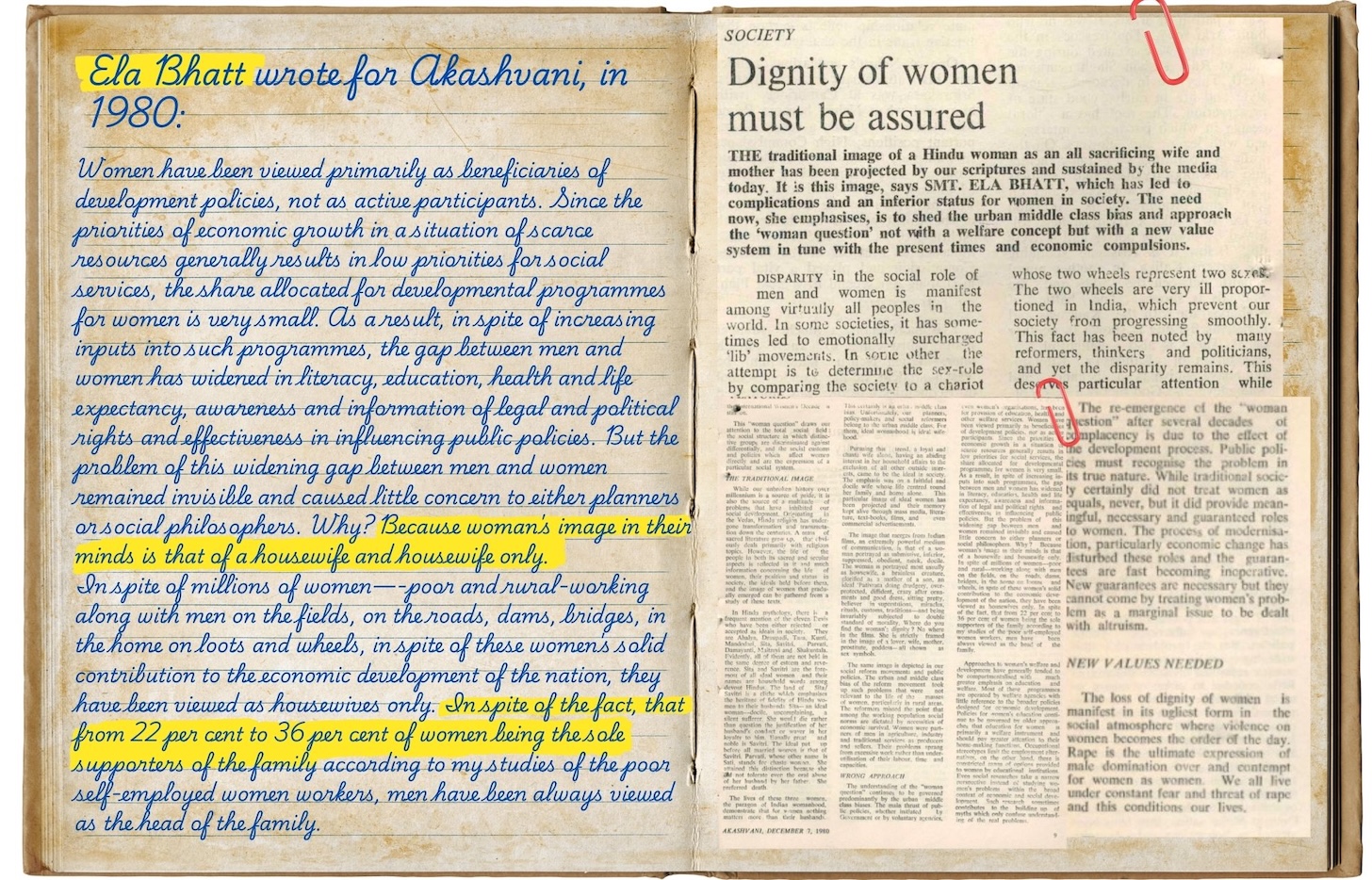
It’s just being a good wife
 By Default
They say 'marriage is about love and partnership'
But sometimes, it’s also an economic arrangement—just not one we always talk about.
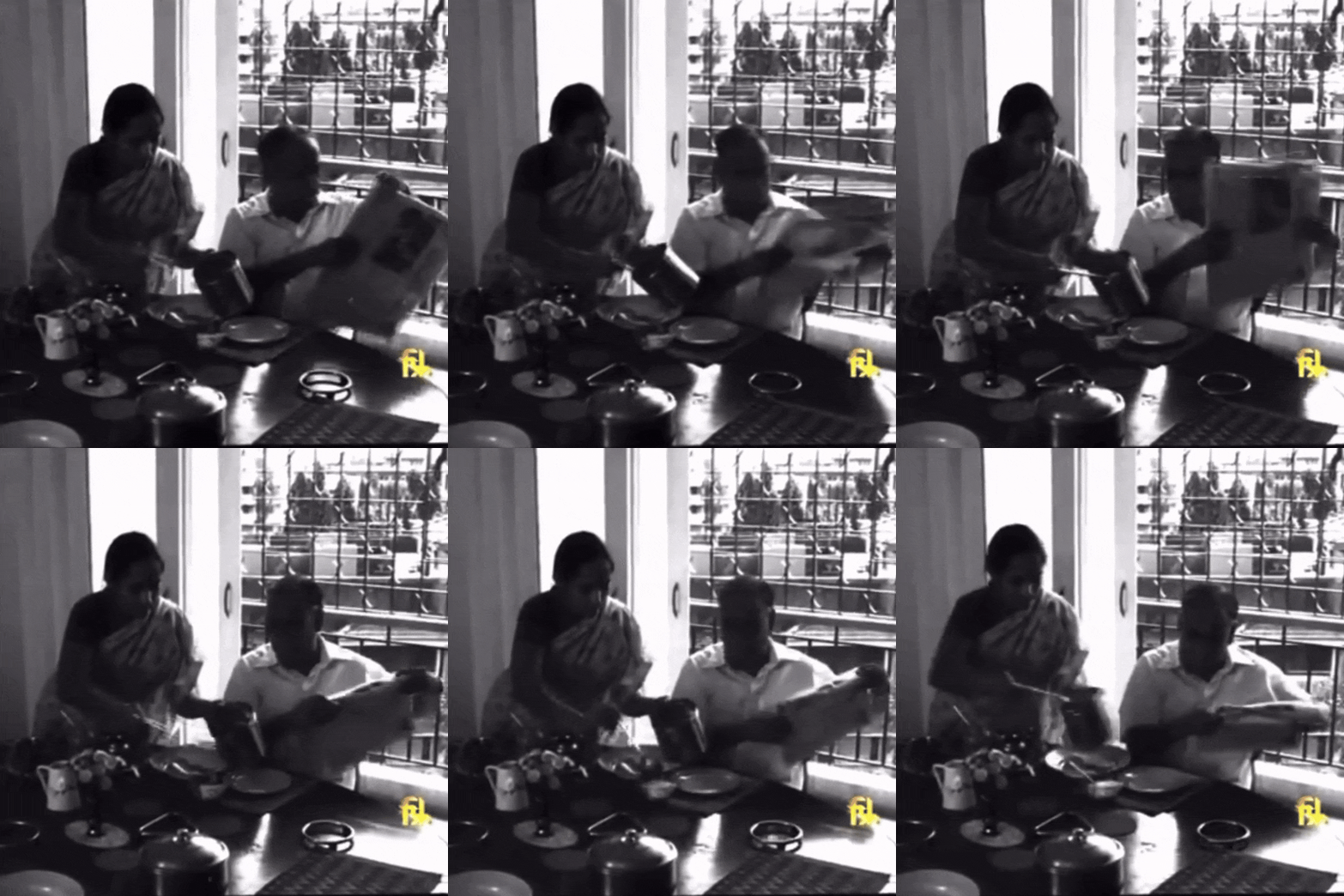
We revisit this video from the 1960s.
a bachelor visits a marriage bureau, not looking for romance, but to find someone who can expertly manage a home... Finding a "good wife" means ticking a long list of skills that fall beyond 'companionship' -- someone who can be thrifty, nurturing, resourceful and do it all with a smile...
Does this sound familiar?

Video: Wives and Wives by Films Division, India
 Invisible Work

 How much time do you spend each day on each kind of labour listed here?


Unpaid work contributes about 7.5% of the GDP.

Yet, "housework" is not considered work
If India’s women earned a minimum wage for the unpaid work they do around the house and caring for relatives, they would have made 260,686.8 billion Rupees in a year!
But what makes us think that household work is a woman's job ?


 women spend 10 times more time on household maintenance and care for children / elderly than men.
This means, they have less time to pursue paid work, learn new skills, get rest, and so on.


I grew up conditioned for women to be only seen in the domestic sphere. As an adult I see that it has now transitioned to an expectation of being a “successful modern woman”. This only means that the gender divide in household labor has increased especially among couples with children.
Mothers like me who juggle careers, kids and household chores with the numerous invisible burdens they carry everyday were the inspiration for the title “My plate is full”.
Domestic workload disparities primarily affect opposite-gender couples and typically disadvantage women. Even if physical labor is distributed fairly equally, cognitive labor (so much of which is hidden) is not. Women often think they can be everything to everyone. I almost feel like that is how we are raised and conditioned by society. It is slowly changing but I still see this a lot, even among the current generation. These conversations are important to me so we as a society can begin to be aware of these differences and strive to make our domestic lives more egalitarian.


Experience the overwhelming reality of household mental load! Tasks will pop up like urgent notifications - decide quickly whether to handle them or let them pass.
CLICK "Do It Now" to complete tasks and earn hours worked!
CLICK "Skip This" to avoid tasks, but they add to mental load!
CLICK "Delegate" to offload a task to another family member/domestic worker
Warning: Tasks auto-skip after 5 seconds if ignored!
Reality Check: Every task completed represents unpaid household labor!
Manage your household mental load
Every task you clicked or missed represents the invisible mental load that never stops.
The game may be over, but for millions of women, the mental load never stops.


"At the current rate of change* it would take 210 years for housework to be shared equally.”
- International Labour Office