



If you saw the 2016 Olympics Closing Ceremony, you’d agree with me that the Brazilians sure do know how to entertain, and celebrate despite the rains! But more than anything, I thought that they knew how to celebrate their cultural heritage.
This edition of the games created an undying excitement amongst sport enthusiasts in India, unpredicted stars shone across the Indian skyline and well, we even have a new plug for saving the girl-child.
Am hoping though, that India also finds inspiration in the closing ceremony to develop its cultural representation to the world.
Modern Art
For one, the Ceremony honoured landscape artist Roberto Burle-Marx, who was little known outside the country. A modernist landscape artist, he designed parks and public spaces using native species and big sections of plants and the iconic beachfront sidewalk of Copacabana. While he worked around the world, his farm at the edge of Rio city is referred to as an open-air museum.
Reminded me completely of icons such as Romus Whitaker and Nek Chand – but then, we have never highlighted their contributions on world stage.


Indigenous History
The ceremony also paid tribute to Brazil’s indigenous history or “art of the people”, starting with the cave art of the first South Americans. A special commendation towards Brazilian pioneer, the archaeologist Niede Guidon, who at 83 continues to excavate in the northern state of Piaui. Guidon dates human settlement in the region to 32,000 years ago, tens of thousands of years older than the conventional archaeological thinking. She has identified more than 800 sites in what is now Serra da Capivara National Park.
I was instantly reminded of the post on Rock art and the lonely Museum gallery. When we speak of indigenous art in India, we have a culture to boast of, and volumes of books to write – but then, where’s the storytelling when it comes to painting the picture of India?
Music
A choir of Guarani children sang a song from one of the indigenous groups who had lived in Rio when the Portuguese arrived 500 years ago. And of course, the Carnival theme that brought back 1918 to the Olympic closing.
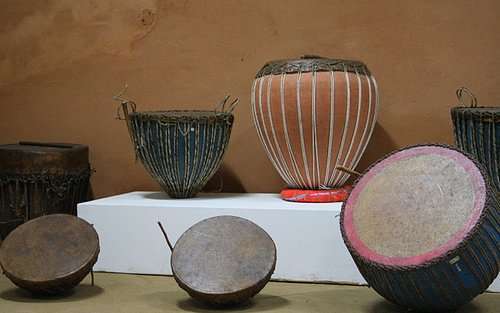
Ring a bell? The Indira Gandhi Rashtriya Manav Sangralaya – or the Museum of Man – an anthropological museum that traces indigenous lifestyle including music, art, utensils, and even architecture!
Hosting international events such as the Olympics, or Commonwealth Games – or conferences for that matter are an excellent chance for organisers to plug the story of India. There’s much in our history and culture that makes for an enriching story. True, it is time for Making in India, but what has already been Made in India must also find its due.
Also Read:
Rio’s Story as told at the Olympics
